
It is estimated that 169,759 new cancer diagnoses were made throughout Australia in 2025, with prostate and breast cancer being the most common.
Those surviving or living with cancer often experience ongoing health issues. This includes an increased risk of:
- Functional decline
- Cardiovascular disease
- Diabetes
- Cognitive changes
- Osteoporosis
- And so many more conditions and challenges…
Why is Exercise Important and How Does it Help?
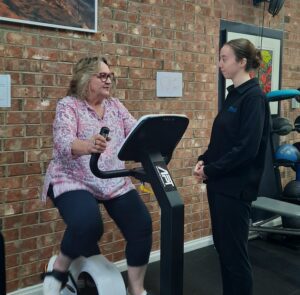
Exercise has a direct impact on many biological pathways which help your body better respond to treatment and increase the effectiveness of treatment. Exercise assists greatly by reducing negative side effects associated with cancer treatment, including side effects such as:
- Fatigue
- Cardiotoxicity
- Nausea
- Psychological distress
- Bone damage
- Sleep disturbance
- Neurotoxicity
- Pain
- Lymphedema
- Cognitive impairment
- Metabolic Toxicity
Fatigue is the most common and potentially debilitating cancer related symptom. Exercise is considered a primary treatment for reducing cancer related fatigue and is shown to be more effective than pharmacological treatment for combating exhaustion.
Reducing side effects during and after cancer treatment contributes to improved quality of life, ultimately keeping you doing all the things you enjoy and are important to you.
Exercise also releases important proteins and stimulates your body’s immune system, activating your natural ‘killer’ cells. This has a positive effect on inflammation, immunity, oxidative stress, metabolism, and hormone balance, creating an anti-cancer environment in your body.
What Type of Exercise is Recommended?
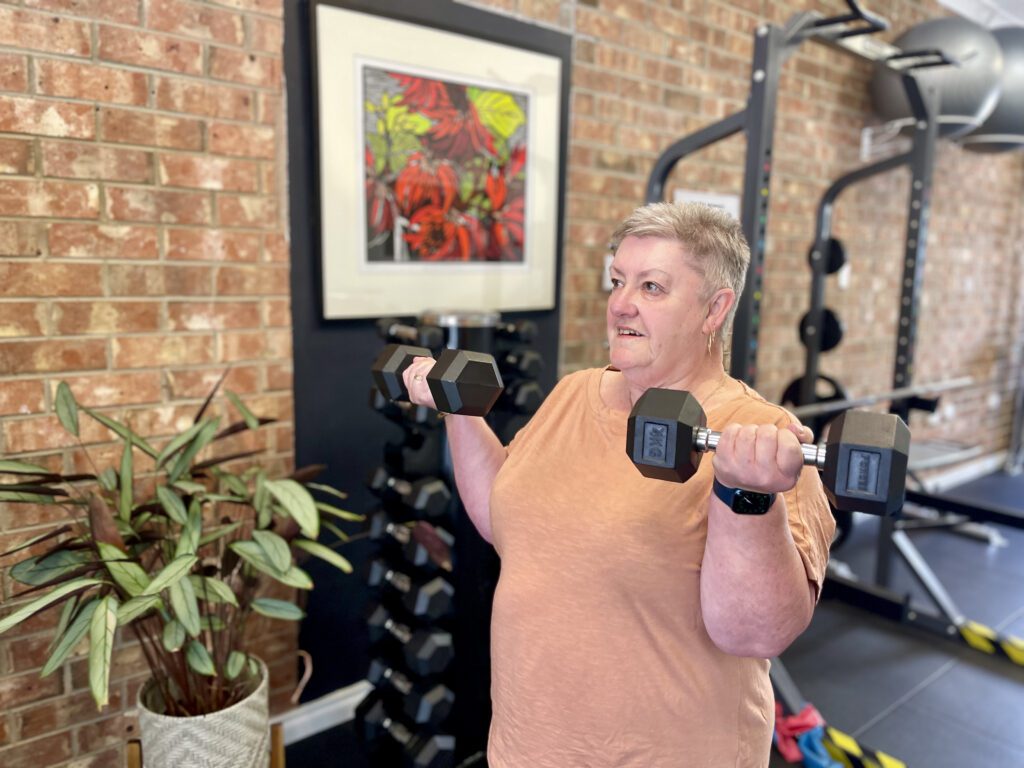
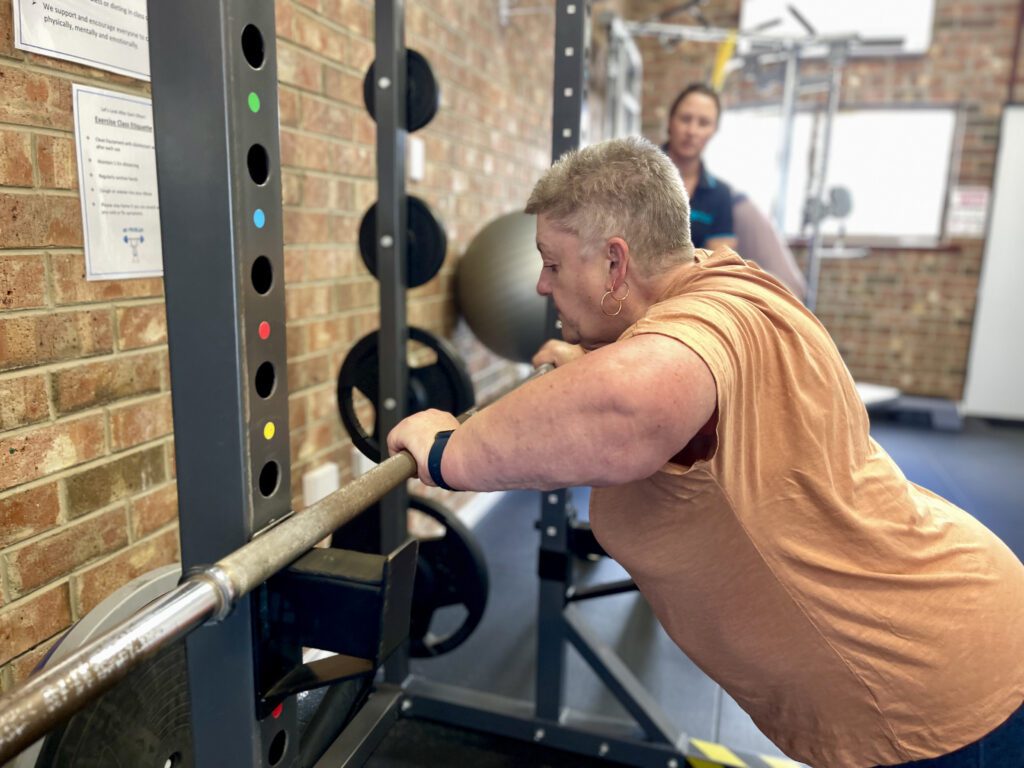
The Clinical Oncology Society of Australia (COSA) strongly recommends avoiding inactivity during cancer treatment and promotes exercise as an essential part of ALL cancer treatment plans, helping to counteract negative side effects.
Evidence shows the minimum effective amount of exercise for best treatment outcomes are:
– 150 minutes of moderate intensity activity per week OR 75 minutes of vigorous intensity activity per week
– 2-3 strength sessions of a moderate-vigorous intensity per week
How Can an Exercise Physiologist Help You Start Exercising?
Exercise physiologists are skilled in prescribing safe and tailored evidence-based exercise programs. We can help with:
- Specific exercise for your needs
- Adjusting exercise to manage frequently changing symptoms
- Managing exercise around treatment
- Continuous monitoring throughout exercise sessions to keep you safe
- Education to safely implement physical activity into YOUR lifestyle to promote long-term self-management and empowerment.
Suitable exercise treatment varies greatly from person to person based on factors such as cancer type, stage of the condition, symptoms, and treatment types. For this reason, it is essential to be guided by an exercise physiologist with oncology knowledge to select safe and appropriate exercises for you.
The first step to beginning an exercise program at Fleurieu Exercise Physiology is to attend an initial assessment where an exercise physiologist, such as myself, will consider all aspects of your cancer and treatment prior to prescribing exercise, including:
- Treatment type and cycle length
- Side effects associated with common treatments including chemotherapy, radiotherapy, immunotherapy and hormone therapy
- Physical and psychological impact of side effects
- Assessment of individual capabilities
If you are unsure if you would be suitable to exercise with us please give us a call and we will happily assist you with your enquiry. We are here to support you.
Author: Crystal Diebert, Accredited Exercise Physiologist